Source White PP Foam Pump for Cosmetic, Cleaning, and Personal Care
Find and compare 30 white pp foam pump options from verified manufacturers. Evaluate specifications such as neck finishes, discharge rates, and customization capabilities to select the ideal dispensing solution for your packaging needs.
Key considerations
Products List


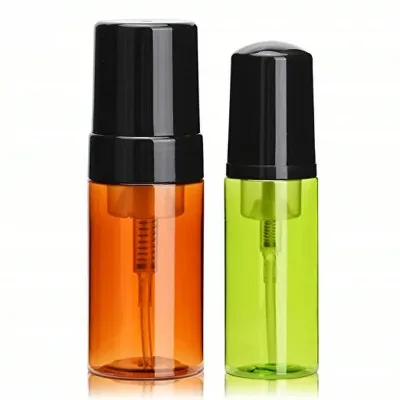


Comprehensive Sourcing Guide
White PP Foam Pump Sourcing Guide
Sourcing white polypropylene (PP) foam pumps requires a disciplined approach to material verification, mechanical performance, and supplier transparency. These dispensing systems are critical for delivering consistent foam textures in personal care, cosmetic, and household cleaning applications. Buyers must distinguish between generic plastic components and specialized foam actuators that meet specific discharge rates and aesthetic standards. This guide provides evidence-based procurement strategies to help sourcing teams evaluate suppliers, verify technical specifications, and mitigate supply chain risks without relying on unverified marketing claims.
The following sections outline the essential verification steps for white PP foam pumps, drawing on observed market data and standard industry practices. Each section focuses on actionable buyer decisions, from interpreting listing signals to establishing long-term quality controls. By adhering to these guidelines, procurement professionals can ensure that selected components align with product requirements, regulatory expectations, and commercial objectives.
Product Scope and Observed Listing Signals
Buyers should carefully interpret product listings to distinguish between general plastic containers and specialized foam dispensing systems. Observed market data indicates a wide range of product names, including "Cosmetic Bottle," "Mist Sprayer," and "Foam" function labels, which can create confusion during initial supplier screening. It is essential to verify that the listed item is specifically a foam pump mechanism rather than a standard spray or lotion pump. The core keyword "white pp foam pump" implies a specific material composition (polypropylene) and a functional output (foam), which must be explicitly confirmed in the supplier’s technical documentation rather than assumed from broad category tags.
Material composition is a primary signal for quality and compatibility. Listings frequently cite materials such as PET, PP, or generic "Plastic," but only polypropylene (PP) offers the chemical resistance and durability required for long-term foam pump operation. Buyers must confirm that the pump housing, spring, and internal components are constructed from PP or compatible materials to prevent degradation when exposed to various cosmetic or cleaning formulations. Additionally, observed attributes such as "Reusable" and "Recyclable" suggest environmental considerations, but buyers should verify whether these claims apply to the entire assembly or only specific components, as mixed-material pumps can complicate recycling processes.
Technical Specifications to Verify
Neck finish compatibility is the most critical technical specification for foam pump integration. Listings show a variety of neck finishes, including 28/410, 30/410, 40/410, 28/400, 30/400, 32/400, 40/400, 43/400, and 43/410. Buyers must match the pump’s neck finish precisely to the bottle’s opening to ensure a secure, leak-proof seal. Mismatched neck finishes can lead to product leakage, pump failure, or aesthetic defects. It is advisable to request physical samples or detailed dimensional drawings to verify compatibility before placing bulk orders, especially when working with custom or non-standard bottle designs.
Discharge rate and foam quality are key performance indicators for foam pumps. Observed data indicates discharge rates ranging from 0.3-0.4cc, which is typical for fine foam applications. Buyers should verify the actual foam density, texture, and consistency of samples, as these attributes significantly impact user experience. Additionally, the pump’s actuation force, nozzle type, and cover design (half or full) should be evaluated for ergonomic and functional suitability. Suppliers may offer customizable neck finishes and nozzle types, but buyers must ensure that these customizations do not compromise the pump’s mechanical integrity or dispensing performance.
Compliance and Safety Documentation
Regulatory compliance is non-negotiable for cosmetic and household product packaging. Buyers must request certification documents, such as ISO standards, to verify that suppliers adhere to recognized quality management systems. While specific test results or compliance certificates are not always listed, buyers should proactively ask for evidence of compliance with relevant regulations, such as FDA or EU cosmetic packaging standards, depending on the target market. Suppliers who can provide third-party lab reports or material safety data sheets (MSDS) demonstrate a higher level of transparency and commitment to product safety.
Material safety and chemical compatibility are essential for ensuring that the pump does not leach harmful substances into the product. Buyers should verify that the PP material used in the pump is food-grade or cosmetic-grade, as appropriate for the application. Additionally, suppliers should provide information on the recyclability of the pump components, as sustainability is increasingly important to consumers and regulators. Buyers must ensure that any claims regarding recyclability or environmental impact are substantiated by credible documentation, rather than relying on vague marketing statements.
Cost Drivers and Commercial Terms
Pricing and minimum order quantities (MOQs) are significant factors in procurement decisions. Observed data shows a wide price range and MOQs from 1 to 20,000 pieces, reflecting the variability in supplier capabilities and product complexity. Buyers should negotiate MOQs based on their production volume and storage capacity, as high MOQs can tie up capital and increase inventory risks. It is advisable to request tiered pricing structures that reward larger orders while allowing for flexibility in initial trial runs.
Delivery time and packing details are critical for supply chain planning. Observed lead times of around 25 days and packing configurations such as 500 pieces per carton or 1,000 pieces per carton should be factored into production schedules. Buyers must confirm the packing method to ensure that the pumps are protected during transit, as damage can lead to significant losses. Additionally, suppliers may offer customization options, such as color or logo printing, which can impact cost and lead time. Buyers should clarify these details early in the sourcing process to avoid unexpected delays or expenses.
Supplier Qualification and Quality Control
Supplier qualification is essential for ensuring consistent product quality and reliable service. Buyers should conduct thorough due diligence on potential suppliers, including verifying their business licenses, production capabilities, and quality control processes. Suppliers located in regions such as Zhejiang, China, or Ningbo, as observed in the data, may have established manufacturing ecosystems, but buyers must still assess their specific capabilities and track record. Requesting references or case studies from previous clients can provide valuable insights into the supplier’s reliability and performance.
Quality control measures should be clearly defined and enforced throughout the production process. Buyers should establish clear quality standards, including acceptable defect rates, packaging requirements, and inspection protocols. Regular audits or third-party inspections can help ensure that suppliers adhere to these standards. Additionally, buyers should implement a robust sampling process, such as requesting 5-piece samples for initial evaluation, to verify product quality before committing to large orders. Clear communication and documentation of quality expectations are crucial for maintaining consistency and minimizing risks.
Long-Term Procurement Checks
Long-term procurement success depends on continuous monitoring and relationship management. Buyers should establish regular performance reviews with suppliers to assess product quality, delivery reliability, and responsiveness to issues. Tracking key performance indicators (KPIs) such as defect rates, on-time delivery, and customer feedback can help identify areas for improvement and drive continuous improvement. Building a strong partnership with suppliers can lead to better pricing, priority production, and collaborative innovation.
Adaptability to market changes and regulatory updates is essential for long-term sustainability. Buyers should stay informed about industry trends, such as new sustainability requirements or material innovations, and work with suppliers to incorporate these changes into their products. Regularly reviewing and updating procurement strategies can help mitigate risks and capitalize on new opportunities. By maintaining a proactive and disciplined approach to supplier management, buyers can ensure a stable and efficient supply chain for white PP foam pumps.
FAQs
Can I customize the neck finish of the white PP foam pump?
Yes, the neck finish is customizable to meet specific packaging needs. This allows for flexibility in design while ensuring compatibility with various bottle types. The product supports OEM customization for tailored solutions.
What material is used for the white PP foam pump?
The pump is manufactured using PP plastic material, which ensures durability and chemical resistance. This material choice supports the requirement for reusable and recyclable cosmetic containers in various applications.
Which certifications do the manufacturers hold for these pumps?
Manufacturers hold ISO certification for their production processes. This ensures that the quality standards are met for plastic cosmetic containers and related packaging solutions sourced from the specified regions in China.
How long is the delivery time for bulk orders?
The standard delivery time is 25 days for confirmed orders. This lead time applies to bulk purchases and ensures timely supply for cosmetic packing needs while maintaining quality control standards.
What is the minimum order quantity for these pumps?
The minimum order quantity can range from 1 to 20,000 pieces depending on the specific model and customization. Some models like the WL-FP042 require a higher MOQ of 20,000 pieces for production.
Can I get samples before placing a large order?
Yes, samples are available with a quantity of 5 pieces for evaluation. This allows buyers to verify the quality and functionality of the foam pump before committing to a larger production run.
What packaging options are available for the white PP foam pump?
Products are packed in cartons with safe export packaging standards. Specific models may use paper cartons or standard cartons with defined quantities per carton to ensure safe transport and storage.